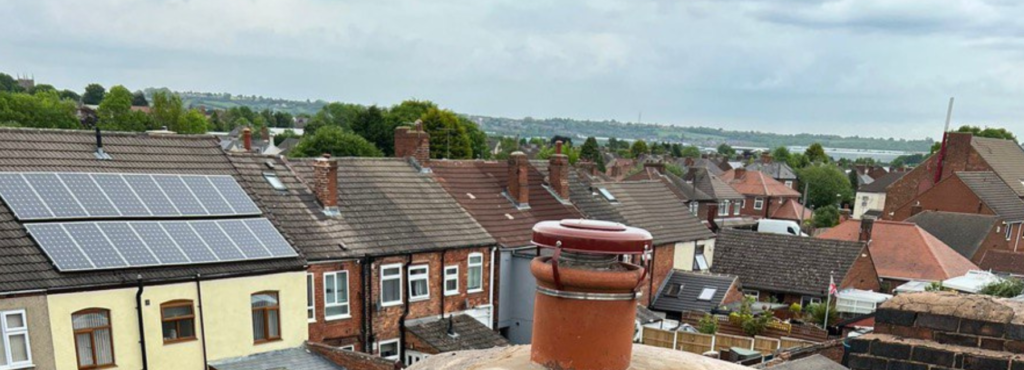
Understanding Hidden Roof Deterioration
Many roofing problems begin beneath the visible surface. A tile may still appear to be in position while its fixing has weakened, underlay can deteriorate without being seen from the ground, and moisture may remain within the roof structure before a ceiling stain develops.
For property owners in Bilston, West Midlands, the absence of an obvious leak does not always mean that every part of the roof is performing correctly. Understanding how concealed defects develop can help explain why professional inspections and timely maintenance are valuable.
The Roof Covering Can Hide Damage Beneath It
Tiles and slates protect the layers underneath, but they can also conceal deterioration. From ground level, a roof may look complete even when battens, underlay or timber have been affected.
Hidden problems can include:
- Torn or brittle underlay
- Damp or decayed battens
- Corroded tile fixings
- Moisture-stained roof timbers
- Poorly completed previous repairs
- Small gaps beneath overlapping materials
These defects may remain unnoticed until further movement or prolonged rainfall allows water to reach the interior.
A Tile Does Not Need to Be Missing to Cause a Problem
A roof tile can move only slightly and still disrupt the overlap that directs rainwater down the roof. The change may be difficult to see from below, particularly on a high or complex roof.
Hairline cracks can also admit moisture without causing the tile to break apart. Water entering through a small opening may initially be managed by the underlay, delaying any indoor warning signs.
Water Can Travel Before Becoming Visible
The point where a damp patch appears is not necessarily where rain entered. Water can travel along underlay, rafters, battens and ceiling joists before reaching a surface that makes the problem visible.
This movement can delay detection and make the leak seem unrelated to the original defect. Moisture may also collect within insulation, which can absorb water before it reaches the ceiling below.
By the time a stain becomes apparent, the surrounding materials may have been damp for some time.
Flashing Can Deteriorate Gradually
Flashing protects junctions around chimneys, walls, rooflights, valleys and other penetrations. Small cracks or movement within these details may be difficult to spot from ground level.
Early deterioration might only allow water through during wind-driven rain or prolonged wet conditions. The roof can therefore appear reliable during ordinary rainfall while leaking under a particular combination of wind direction and water flow.
Fixings Can Weaken Out of Sight
Roof tiles, slates and battens depend on secure fixings. These components are largely concealed once the roof covering is complete.
Fixings can deteriorate through age, moisture exposure or repeated movement. A tile may remain in place through its weight and contact with neighbouring tiles even after its fixing has weakened.
The first obvious sign might be sudden movement during strong wind rather than a gradual visual change.
Flat Roof Defects May Start Beneath the Surface
Flat roof coverings can develop small splits, failed seams or localised loss of adhesion. Some defects remain difficult to see until blisters, lifting edges or internal moisture appear.
Water can also enter through one point and spread beneath the covering. The visible surface damage may then seem minor compared with the affected area underneath.
Persistent ponding can accelerate this process by keeping water against vulnerable joints and low sections.
Valleys and Gutters Can Conceal Drainage Problems
Roof valleys and gutters carry substantial volumes of rainwater. Leaves, moss and other debris can gradually restrict the flow without creating an immediate overflow.
During heavier rainfall, backed-up water may reach beneath tiles, behind fascia boards or into vulnerable roof junctions. The early signs might be limited to damp timber at the eaves or staining that is not visible from inside occupied rooms.
Keeping drainage routes clear helps reduce pressure on concealed roof components.
Loft Conditions May Delay Detection
Roof problems are easier to miss when the loft is rarely inspected or has limited access. Stored belongings, deep insulation and restricted lighting can conceal watermarks or damp materials.
Early warning signs within a loft can include:
- Dark marks on rafters
- Damp or compressed insulation
- Rust around metal fixings
- Light visible through the covering
- A musty smell
- Mould on timber or underlay
- Water droplets in a localised area
These signs should be assessed carefully because condensation can sometimes resemble rainwater ingress.
Condensation Can Mask or Mimic Roof Leaks
Moisture inside a roof space does not always come from outside. Condensation can form when warm indoor air reaches cold roofing materials, particularly where airflow is inadequate.
Because condensation can affect broad areas, it may hide the pattern of a smaller external leak. Alternatively, it may be mistaken for defective tiles or flashing.
Correct diagnosis is essential because repairing the external covering will not resolve moisture caused primarily by ventilation or airflow conditions.
Previous Repairs Can Conceal Wider Deterioration
A local patch may stop the immediate symptom without addressing surrounding weakness. Sealants, replacement tiles and overlapping materials can also make the original roof detail more difficult to inspect.
Recurring problems can indicate that:
- Water is entering beside the repaired area
- The original entry point was misidentified
- The supporting materials remain damaged
- Several defects are contributing to the same symptom
- Deterioration has spread beyond the patch
Reviewing the previous repair and the wider roof area helps avoid repeating the same limited treatment.
Weather Can Expose a Hidden Weakness Suddenly
A roof defect may exist for months without producing a visible leak. Strong winds, driving rain or sustained wet weather can then expose the weakness.
Examples include:
- Wind lifting a tile with a failed fixing
- Heavy rain overwhelming a restricted valley
- Prolonged rainfall saturating damaged underlay
- Changing wind direction driving water beneath an overlap
- Debris damaging an already weakened covering
The weather may reveal the problem, but gradual deterioration often began much earlier.
Why Professional Roof Inspections Matter
A professional inspection considers the roof as a complete system rather than looking only for missing tiles. It can examine coverings, junctions, drainage, flashing and accessible internal areas together.
This broader approach helps identify subtle changes such as loose materials, weakened mortar, damaged underlay and early moisture staining. It also provides evidence for deciding whether maintenance, a local repair or more extensive work is appropriate.
Conclusion
Some roofing problems develop without obvious warning signs because the earliest deterioration occurs beneath tiles, membranes and roof junctions. Water may also travel or remain trapped before producing a visible indoor symptom.
If you are concerned about hidden deterioration at your property in Bilston, Bilston Roofing Repairs can assess the roof and identify areas that may require attention. A timely professional inspection can provide clarity before a concealed weakness develops into more extensive damage.
Call us on: 01902 943 692
Click here to find out more about Bilston Roofing Repairs
Click here to complete our contact form and see how we can help with your roofing needs.