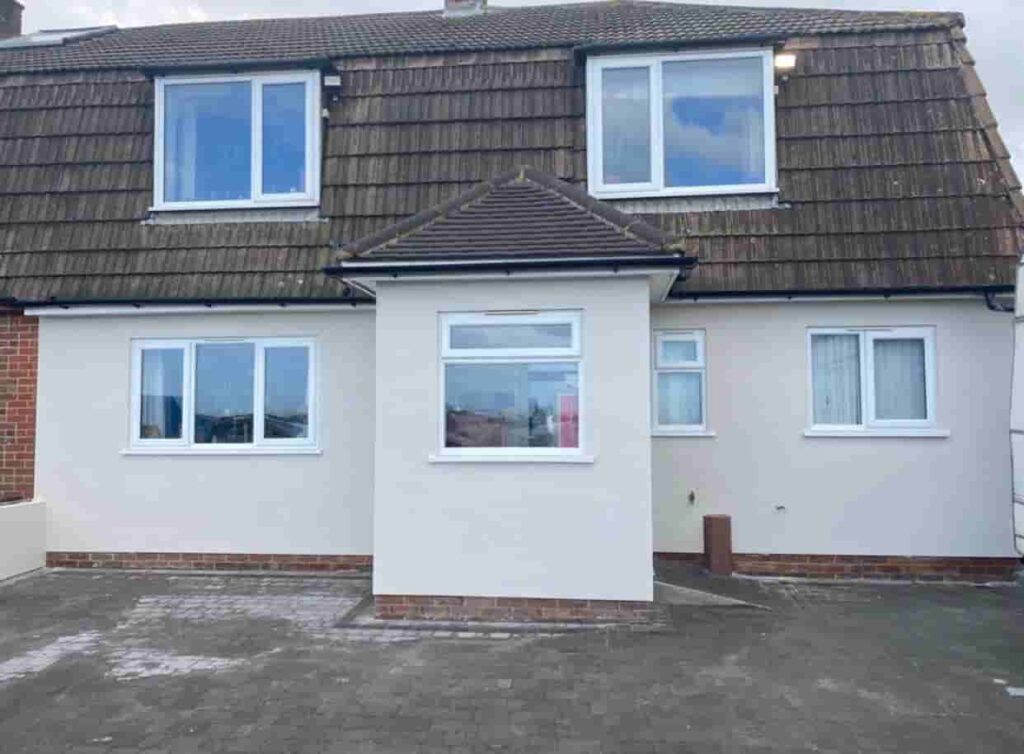
Roof wear does not always affect the entire structure evenly. A single slipped tile, damaged flashing detail or small area of storm damage may be suitable for a focused repair. By contrast, recurring leaks and deterioration across several sections can indicate that the roofing system is declining more generally.
Understanding the extent of the problem helps property owners make informed decisions and avoid treating connected defects as isolated incidents. For homeowners in Bilston, West Midlands, a professional inspection is the most reliable way to establish whether the roof requires a localised repair or more extensive attention.
Assessing the Extent of Roof Deterioration
The visible defect is only one part of the assessment. A roofer must also consider the surrounding coverings, fixings, junctions, underlay, battens and accessible roof timbers. The distribution of damage often provides the clearest indication of whether wear is confined or widespread.
Signs That Roof Wear May Be Localised
Localised wear is usually concentrated within one clearly defined area while the remainder of the roof remains in serviceable condition. Typical examples include:
- A small number of cracked, broken or displaced tiles
- Damage confined to one chimney or roof junction
- An isolated section of failed flashing
- A puncture or split in one part of a flat roof
- Damage caused by a branch or another specific impact
- A leak linked to one identifiable defect
A focused repair may be appropriate when the surrounding materials remain secure and there is a sound base to support the replacement components.
Signs That Wear Could Be Widespread
Widespread deterioration generally affects several components or locations rather than one obvious point. Warning signs may include:
- Cracked or weathered tiles across multiple roof slopes
- Repeated leaks appearing in different rooms
- Several sections of loose ridge, hip or verge material
- Deteriorated flashing at more than one junction
- Frequent tile movement during windy weather
- Brittle or damaged underlay across a broad area
- Widespread batten or timber deterioration
- Numerous previous repairs beginning to fail
When several of these signs are present, repairing one visible defect may not provide a dependable solution.
Consider Where the Damage Appears
The location and distribution of defects are important. Several damaged tiles grouped beneath an impact point may suggest a localised problem. Similar damage scattered across the entire roof is more likely to indicate age-related wear or general material deterioration.
Different roof slopes can also weather at different rates because of their exposure to sun, rain and wind. One slope may require substantial attention while another remains in reasonable condition. This is why each section should be assessed independently before deciding on the scope of work.
Look at the Pattern of Previous Repairs
A history of occasional work does not automatically mean the roof is failing. Individual defects can occur on an otherwise sound roofing system.
However, repairs that are becoming more frequent or are needed in different areas may reveal a broader pattern. If one visit addresses flashing, another deals with loose tiles and a later repair concerns the ridge, the defects may be connected by the roof’s general age and condition.
Keeping a simple record of previous problems can help a roofing contractor identify this pattern.
Check Whether Leaks Keep Returning
A leak that returns in the same place may indicate that the original source was not fully identified. Water can travel beneath the covering before becoming visible indoors, so the damp patch may not sit directly below the defect.
Leaks appearing in several areas can point towards wider deterioration in the covering, underlay or junction details. A professional inspection should trace how moisture is entering and determine whether the affected areas share a common cause.
Assess the Condition of Surrounding Materials
The success of a localised repair depends on the condition of the roof around it. A new tile cannot remain dependable if it is attached to weakened battens, while renewed flashing may be ineffective if the adjoining coverings are fragile or poorly supported.
Roofers therefore inspect beyond the immediate defect. If neighbouring materials are secure and serviceable, a targeted repair may be sufficient. If disturbing one section reveals further deterioration, the affected area may be larger than it first appeared.
Do Not Overlook Concealed Components
Tiles and slates form the visible surface, but deterioration can also develop underneath them. Torn underlay, decayed battens and moisture-damaged timber may not be apparent from ground level.
Internal signs such as staining, damp smells, daylight entering the roof space or debris beneath the covering can indicate hidden problems. When these signs occur in several locations, the roof may have more extensive wear than its outward appearance suggests.
Why a Complete Roof Inspection Matters
Examining only the most obvious defect can lead to an incomplete diagnosis. A thorough inspection considers the complete roofing system, including:
- Tiles or slates and their fixings
- Ridges, hips and verges
- Valleys and drainage routes
- Chimneys and flashing
- Underlay and battens
- Flat roof seams and edges
- Accessible roof timbers
- Evidence of previous repairs
This approach helps distinguish an isolated weakness from a roof-wide pattern of deterioration. It also allows the proposed work to match the actual condition of the property without recommending more intervention than necessary.
Repairing the Cause Rather Than the Symptom
A localised repair should address the reason the defect developed, not simply cover the visible damage. This may involve replacing compatible tiles, renewing flashing, repairing underlay or restoring secure support beneath the covering.
Where wear is widespread, treating each symptom separately can result in a continuing cycle of repairs. Considering the roof as a complete system may provide a more reliable course of action.
Conclusion
Roof wear is more likely to be localised when the damage is confined to one identifiable area and the surrounding materials remain sound. It may be widespread when defects appear across several slopes, leaks occur in different places or concealed supporting materials have deteriorated.
Bilston Roofing Repairs provides professional roof inspections and repairs in Bilston, West Midlands. If you are uncertain about the extent of your roof’s condition, contact our team to arrange an assessment and determine the most appropriate solution.
Call us on: 01902 943 692
Click here to find out more about Bilston Roofing Repairs
Click here to complete our contact form and see how we can help with your roofing needs.